Drinking Milk: Healthy or Health Risk?
Most people grew up drinking milk and not thinking twice about giving it to toddlers and growing children. But the Milk Industry has changed tremendously over the years and unfortunately so has commercial milk in the USA. Most of the milk you see in stores is not the same milk you or your parents most likely drank.
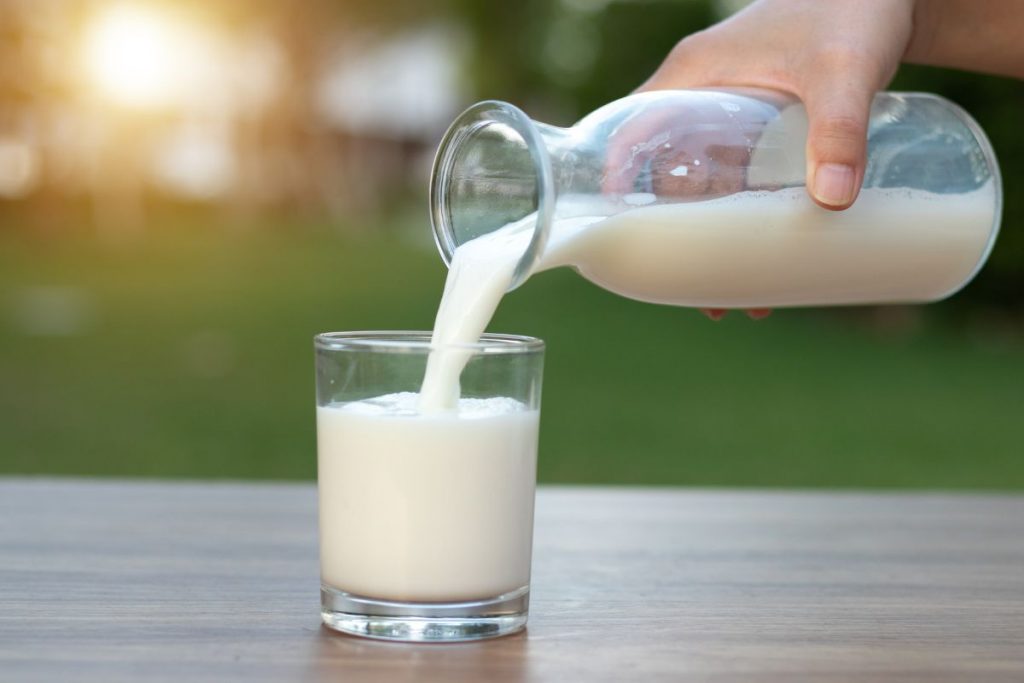
When a child turns one, we have been taught that they need milk to meet their nutritional needs and help them build strong bones. But the majority of the milk you see in stores is fortified to make up for the nutrients eliminated when the milk is pasteurized. In other words, you are drinking a cocktail of fortified liquid with a mix of hormones, possible antibiotic residue, and even GMOs (if not organic).

What is Milk Pasteurization?
Pasteurization is heating a liquid to a specific temperature to eliminate harmful pathogens such as E.coli, Salmonella, Campylobacter, and others. Heat pasteurization extends the shelf life of milk and allows it to last longer on store shelves. All USA commercial milk sold in retail must be pasteurized. The reason pasteurization can be problematic is that many key nutrients and enzymes are reduced or destroyed during this process of heating up the milk. Ultra-High Temperature Pasteurization (Most conventional milk as well as ALL ORGANIC MILK) uses the highest heat, destroys the most amount of nutrients, and allows for the longest shelf life.
The truth about Milk and bone health
As adults, we have been encouraged to drink milk to prevent osteoporosis, yet studies are finding links between drinking milk and increasing the risk of bone fractures and osteoporosis. One of the best ways for adults to strengthen their bones is to exercise, so put that glass of milk down and get moving!!
There are a number of studies that put to rest the notion that drinking milk offers any benefit to bone health. In fact, they show the opposite.
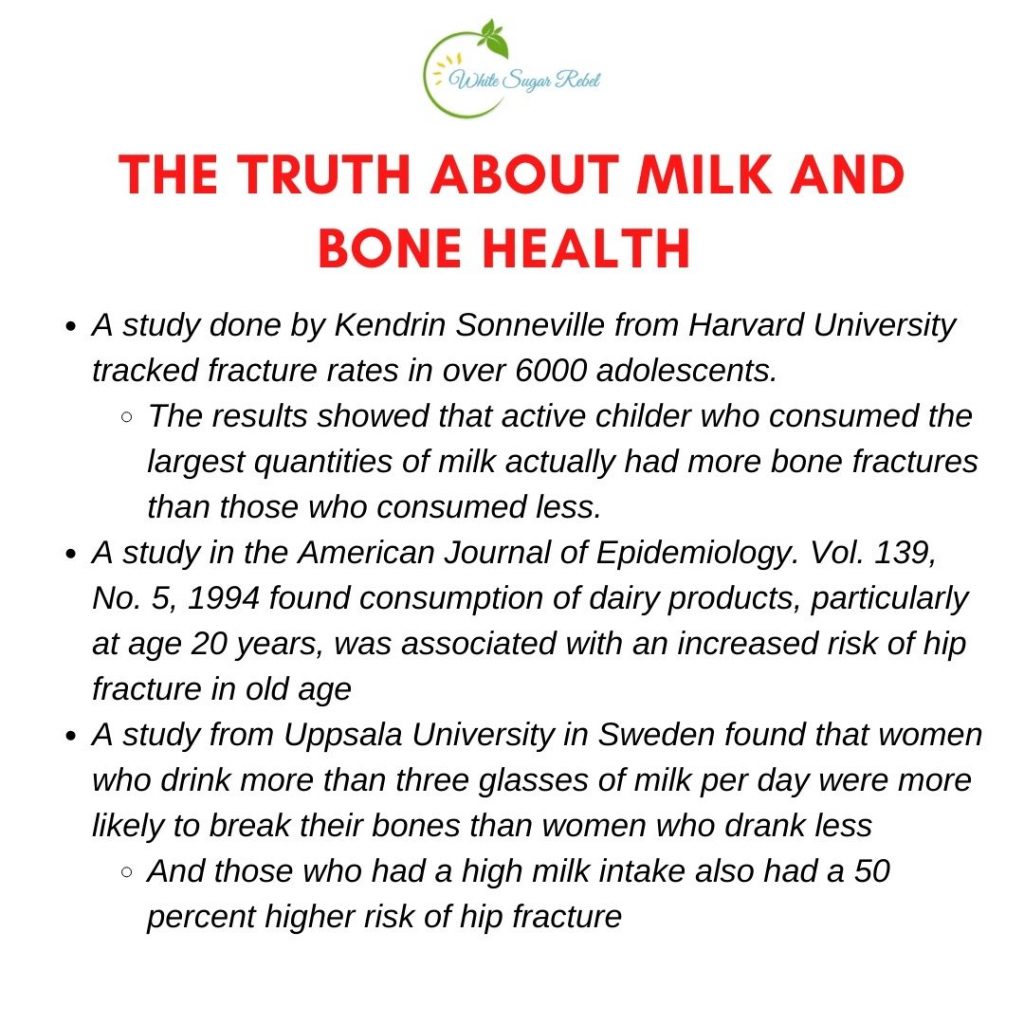
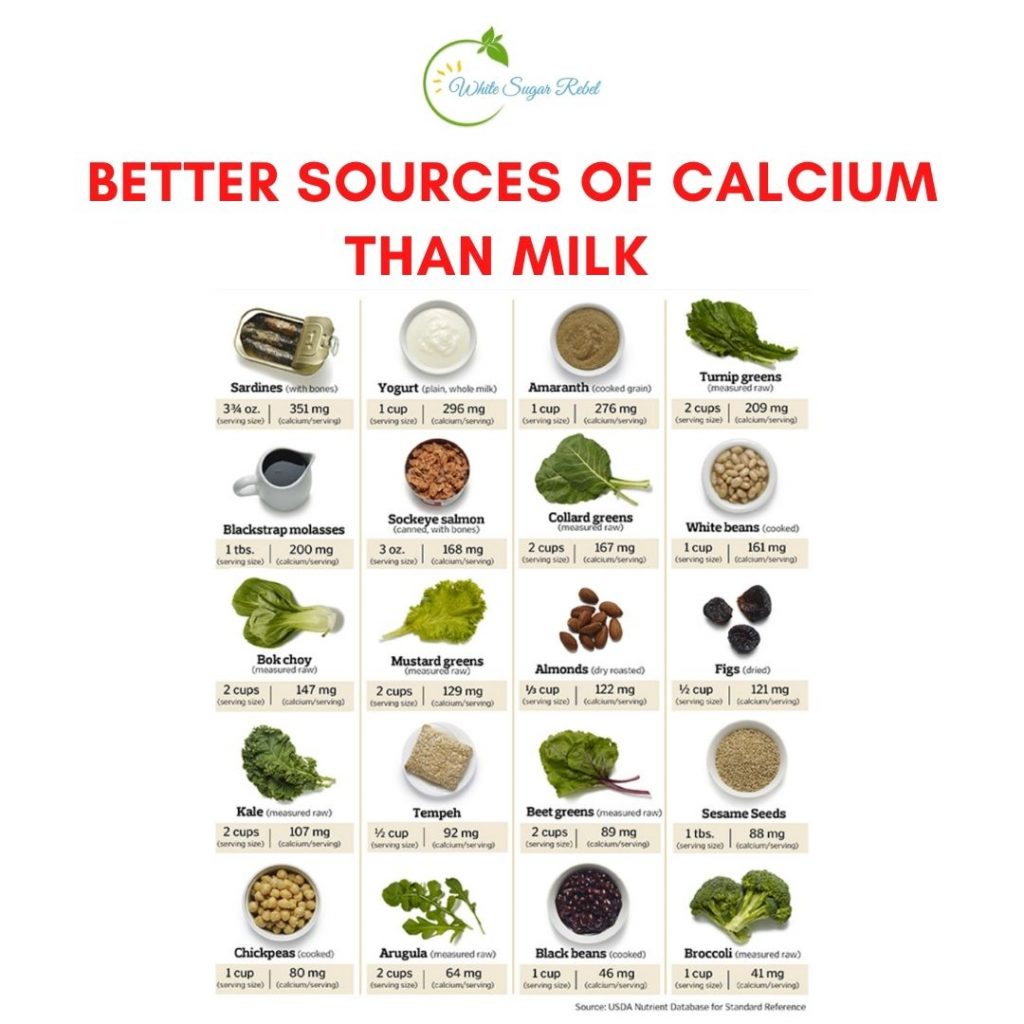
Most milks in commercial supermarkets in the USA have been pasteurized and fortified, this includes organic and organic grass-fed milk. You’re better off eating real whole foods that provide actual benefit to your health in multiple ways.
Raw Milk
Raw milk is an excellent option for some. What are some characteristics of raw milk?
- Unprocessed and untreated
- Retains all its, fatty acids, natural enzymes, vitamins, and minerals
- Since raw milk is unpasteurized there are RISKS in drinking it (DO YOUR RESEARCH*)
- It is legal for sale in Europe, but in some countries, it is illegal (including the USA)
- Numerous health benefits
- Look for grass-fed, pasture-raised cows from a trusted farm
*According to the CDC, past cases of foodborne illnesses associated with raw milk consumption have been due to bacteria (such as Brucella, Listeria, Mycobacterium bovis), salmonella, shiga toxin-producing Escherichia coli (E. coli), and certain parasites or viruses. The risk is highest among infants and young children, the elderly, pregnant women, and people with weakened immune systems due to other medical problems
Make sure you purchase raw milk from a reputable farm, and make sure that the milk is organic, grass-fed, and pasture-raised. Although there are many rules and regulations depending on the state you live in, raw milk contains all its natural nutrients. There are also risks involved with consuming raw milk since harmful pathogens have not been destroyed. More information and where you can purchase raw milk can be found at www.rawmilk.com
If raw milk is not for you and you choose to still drink cows’ milk, look for organic, grass-fed, pasture-raised milk from reputable companies like Organic Valley and Maple Hill, I do not trust Horizon.
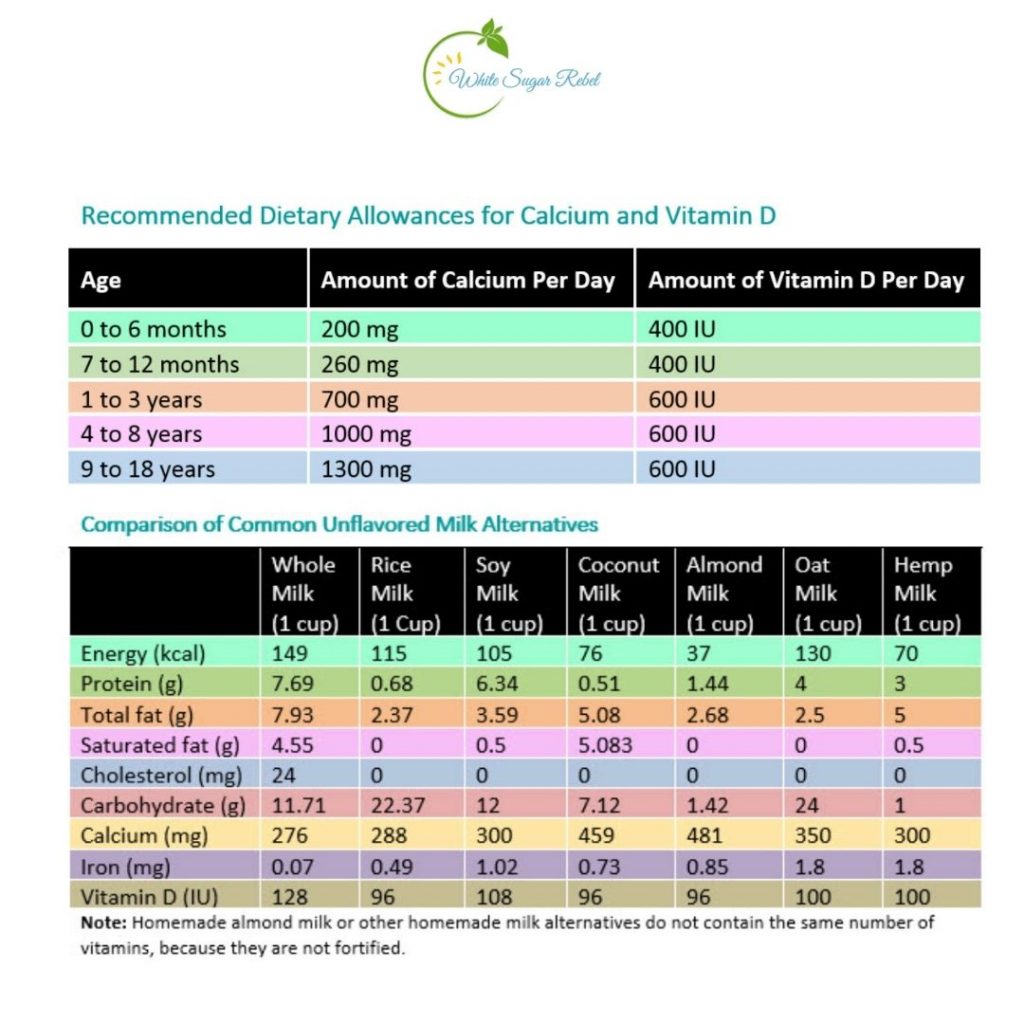
What about plant-based milk? Check out the comparison chart above but be aware most plant-based milks are not organic and may be filled with gums, flavors, and even sugar. Plant-based milks are usually fortified, so you will not get the same benefits if you make your own and you definitely should consider adding beneficial nutrients to your diet.
What was the most eye-opening thing your read in this blog post?
References
https://www.journalofdairyscience.org/article/S0022-0302(19)31060-4/fulltext
https://pubs.acs.org/doi/abs/10.1021/jf00101a001
https://pubmed.ncbi.nlm.nih.gov/9224182/
https://pubmed.ncbi.nlm.nih.gov/29778512/
https://www.mayoclinic.org/diseases-conditions/food-allergy/symptoms-causes/syc-20355095
https://www.fondationeczema.org/en/support/useful-advices/diet-and-eczema
https://onlinelibrary.wiley.com/doi/full/10.1111/j.1365-4632.2009.04002.x
https://pubmed.ncbi.nlm.nih.gov/19932941/
https://centersforrespiratoryhealth.com/blog/4-foods-to-avoid-if-you-want-to-decrease-mucus-production/
https://centersforrespiratoryhealth.com/blog/30-foods-that-can-increase-mucus-and-30-that-can-reduce-it/
https://www.thehealthyhomeeconomist.com/raw-milk-machines-everywhere-in-europe-why-not-in-the-usa-and-canada/
Sonneville KR, Gordon CM, Kocher MS, Pierce LM, Ramappa A, Field AE. Vitamin D, Calcium, and Dairy Intakes and Stress Fractures Among Female Adolescents. Arch Pediatr Adolesc Med.
https://www.sciencealert.com/study-suggests-milk-doesnt-strengthen-your-bones-it-ages-you-instead
https://ota.com/news/press-releases/20809
https://pubmed.ncbi.nlm.nih.gov/10728925/
https://www.ncbi.nlm.nih.gov/pmc/articles/PMC1173447/
https://www.ncbi.nlm.nih.gov/pmc/articles/PMC6413174/
https://www.drdeborahmd.com/rise-raw-milk-01172012
http://bcherdshare.org/the-health-benefits-of-raw-milk/
https://www.healthychildren.org/English/healthy-living/nutrition/Pages/Milk-Allergy-Foods-and-Ingredients-to-Avoid.aspx


